
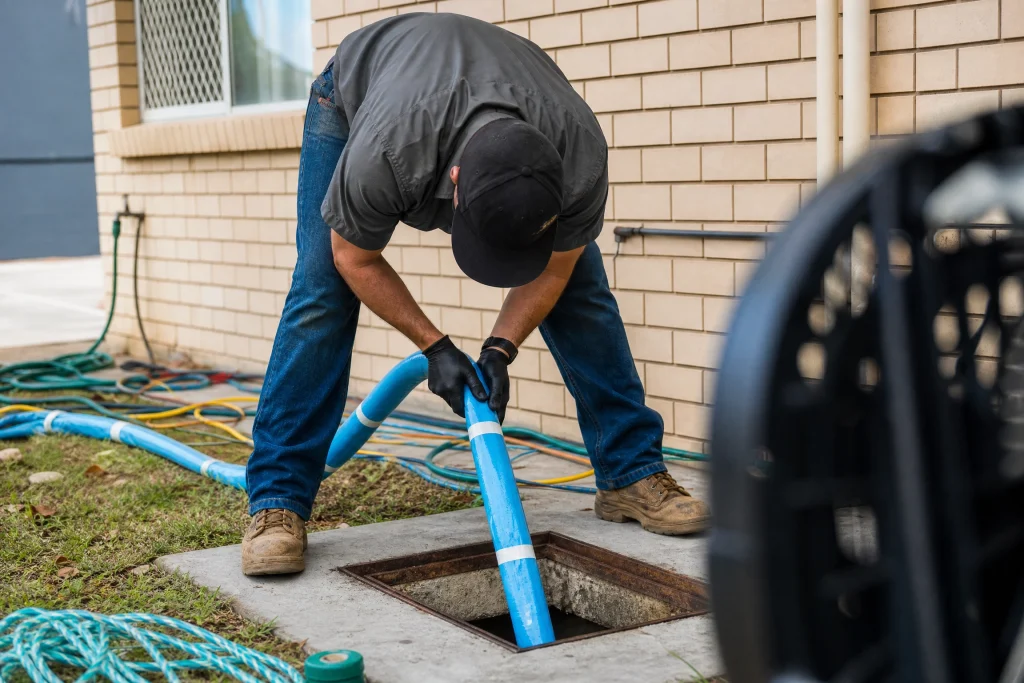
If you’ve been told your sewer or drain pipe needs attention, you’re probably asking the same question every Ohio homeowner asks first: How much is this going to cost me?
Pipe lining, also called trenchless pipe lining or CIPP (cured-in-place pipe) lining is one of the most effective ways to repair a failing pipe without tearing up your yard, driveway, or landscaping. But it’s also a high-ticket service, and the pricing varies considerably depending on where you live, the condition of your pipe, and what method is used.
This guide breaks down realistic pipe lining costs for Ohio homeowners, what drives the price up or down, how it compares to traditional excavation, and how to know whether it’s the right solution for your situation.
What Is Pipe Lining? A Quick Overview
Pipe lining is a trenchless repair method where a flexible, resin-saturated liner is inserted into a damaged pipe and then cured in place essentially creating a new pipe inside the old one. The most common type is CIPP (cured-in-place pipe) lining, which uses either heat, UV light, or ambient curing to harden the liner into a smooth, durable tube.
Instead of digging a trench the full length of the pipe run, technicians typically need only one or two small access points. The result is a structurally sound, jointless pipe that can add 50+ years of service life all without major excavation.
At Atherton Plumbing, we offer pipe lining and patching services throughout the Dayton, Ohio area. If you’re unsure whether your pipe qualifies for lining, we can start with a camera line inspection to get a clear picture of what’s happening underground.
Pipe Lining Cost in Ohio: What Are the Typical Ranges?
Ohio homeowners generally pay between $80 and $250 per linear foot for pipe lining, with most residential projects falling in the $3,000 to $8,000 range for a standard sewer or main drain line. Larger or more complex jobs, longer lines, severely deteriorated pipe, or difficult access can run higher.
Here’s a general pricing framework:
| Project Scope | Estimated Cost Range |
| Spot repair / patch (1–5 ft) | $500 – $2,000 |
| Short run (10–25 ft) | $1,500 – $4,500 |
| Standard residential (50–75 ft) | $3,000 – $8,000 |
| Longer runs (75–150 ft) | $6,000 – $15,000+ |
| Full building re-line (commercial) | $10,000 – $40,000+ |
National data supports this range. According to Angi’s cost research, trenchless sewer pipe lining projects typically run $1,900 to $6,000 on average, with a national average around $2,900 though Ohio pricing can run somewhat higher or lower than that depending on local labor rates and pipe conditions.
Important note: These are starting estimates. Actual pipe lining cost in Ohio depends heavily on the specifics of your pipe, its diameter, material, length, depth, and how deteriorated it is. There is no substitute for a professional assessment and written quote.
6 Factors That Affect Your Pipe Lining Cost in Ohio
1. Length of the Pipe Run
This is the single biggest cost driver. Pipe lining is priced per linear foot, so the longer the run, the higher the total. A 50-foot sewer lateral costs roughly half what a 100-foot run does, all else being equal. Sewer line lengths vary, but residential lines typically run between 50 and 75 feet from the house to the street.
2. Pipe Diameter
Larger diameter pipes require more liner material and often more specialized equipment. Residential sewer lines are typically 4-6 inches in diameter, while commercial lines can be 6-15 inches or more. Larger diameter means higher cost per foot.
3. Pipe Material and Condition
The type of pipe you have matters. Clay tile, cast iron, Orangeburg (bituminous fiber), and PVC all behave differently and may require different liner specifications. Heavily deteriorated pipes those with significant collapse, root intrusion, or joint separation may need pre-cleaning via hydro-jetting before lining can begin. That adds to the overall cost.
Pipes that are too far gone (more than 30–40% collapsed, or with major bellies) may not be candidates for lining at all and may require sewer line replacement instead.
4. Depth and Accessibility
Pipes buried deeper in the ground take more work to access. If your sewer line runs under a concrete driveway, finished basement slab, or landscaped area, even trenchless work requires more setup time, which is reflected in the quote.
5. Curing Method (CIPP vs. UV vs. Ambient)
There are several curing methods for CIPP lining:
- Steam or hot-water curing: The traditional method, widely used and cost-effective for most residential lines
- UV curing: Faster cure times, often used for larger diameter pipes; can be slightly more expensive per foot
- Ambient (air) curing: Used for smaller diameter lines, longer cure windows
Each method has different equipment and material costs. Your contractor’s choice of method based on your specific pipe will affect pricing.
6. Pre-Lining Preparation
Before the liner goes in, the pipe often needs to be cleared of debris, roots, and scale. That typically means a camera inspection ($175–$350) followed by mechanical cleaning or hydro-jetting ($300–$600+). These are often billed separately or included in the project quote and always confirm what’s included when comparing bids.
Pipe Lining vs. Pipe Replacement: Which Makes More Sense?
This is the question most Ohio homeowners face once they get the diagnosis.
Traditional excavation and replacement involves digging a trench the full length of the pipe run which means tearing up your yard, driveway, landscaping, or even concrete structures. The pipe work itself may cost somewhat less per foot, but the excavation, backfill, and restoration costs often flip the equation.
Here’s how the two approaches typically compare for a standard Ohio residential sewer line:
| Pipe Lining (Trenchless) | Traditional Replacement | |
| Typical cost range | $3,000 – $10,000 | $3,000 – $15,000+ |
| Yard disruption | Minimal (1–2 access points) | Significant trench required |
| Restoration costs | Low | High (sod, concrete, etc.) |
| Project timeline | 1–2 days | 3–5+ days |
| Lifespan of repair | 50+ years | 50+ years |
| Best for | Structurally sound but deteriorated pipe | Fully collapsed or offset pipes |
The verdict? When your pipe is structurally intact but cracked, corroded, or infiltrated by roots, lining is almost always the smarter investment. You save on restoration, you protect your landscaping, and you’re done faster.
If your pipe has major structural failures like significant offset joints, a belly that’s retaining water, or near-total collapse, replacement may be necessary. That’s exactly why a camera line inspection first is so important. It determines which path makes more sense before you spend a dollar on labor.
Is Pipe Lining Worth the Cost in Ohio?
For most homeowners, yes especially when you factor in everything you’re not spending money on.
Consider what traditional excavation actually costs beyond the pipe work itself: landscape restoration, concrete or driveway replacement, permit fees, temporary fencing, and the time you spend managing a large crew on your property for multiple days. Trenchless lining keeps most of that off the table.
The financial math also favors lining when you look at longevity. A properly installed CIPP liner creates a jointless, seamless interior surface that resists root infiltration (one of the most common causes of sewer failure) and adds decades of service life. You’re not patching a problem, you’re fundamentally rehabilitating the pipe.
Ohio homeowners with older housing stock, particularly homes built before 1970 that may have clay or Orangeburg sewer laterals are often ideal candidates for lining. Those original pipes are reaching end of life, and replacing them entirely involves considerable disruption to the mature landscaping and hardscaping that makes older neighborhoods so desirable.
Pipe lining is also worth considering if you’re dealing with repeated drain backups or slow drains caused by pipe degradation rather than simple blockages. Clearing roots or debris can offer temporary relief, but if the pipe walls are compromised, the problem will keep coming back. Lining addresses the root cause.
The Pipe Lining Process: What to Expect
Understanding the process helps you know what you’re paying for. Here’s a typical project timeline:
Step 1 – Camera Inspection: A small CCTV camera is sent through the pipe to assess its condition, identify damage, measure the run length, and determine whether lining is appropriate. This is a non-negotiable first step. See our camera line inspection service.
Step 2 – Pipe Cleaning: The pipe is cleaned thoroughly usually via hydro-jetting to remove roots, scale, grease, and debris. A clean surface is essential for the liner to bond properly.
Step 3 – Liner Preparation and Installation: A felt or fiberglass liner saturated with epoxy or polyester resin is measured, cut, and pulled or inverted into position inside the existing pipe.
Step 4 – Curing: Heat, UV light, or ambient air is used to harden the resin, forming a rigid, structural pipe within the old one. Cure times vary by method, UV curing can take as little as 30-60 minutes; steam curing typically takes 1-4 hours.
Step 5 – Final Inspection: A post-installation camera pass confirms the liner is fully cured, properly seated, and free of defects. Lateral connections are reinstated if needed.
Most residential jobs are completed in a single day.
Ohio Pipe Lining: What About Permits?
Ohio does require permits for sewer repair and replacement work in most jurisdictions. Permit costs vary by municipality but generally range from $150 to $1,000 for sewer work. Your licensed plumbing contractor should pull the required permits on your behalf if a company quotes you without mentioning permits, ask directly whether they’re included.
At Atherton Plumbing, we handle all permitting requirements for projects in the Dayton area and surrounding communities, so you don’t have to navigate that process yourself.
Signs Your Ohio Home May Need Pipe Lining
Not sure if pipe lining applies to your situation? These are the most common indicators that your sewer or drain pipe has deteriorated to the point where lining (or replacement) deserves a look:
- Slow drains throughout the house that don’t respond to cleaning
- Frequent sewage backups or gurgling sounds from drains
- Unexplained wet spots, sinkholes, or unusually green patches in your yard
- Tree root intrusion (especially in homes with mature trees near the sewer line)
- Strong sewer odor inside or outside the home
- Your home was built before 1970 and you’ve never had the sewer line inspected
If you’re experiencing any of these, the first step is a camera inspection, not a quote. You need to know what you’re dealing with before any recommendation makes sense.
FAQs
How much does pipe lining cost per foot in Ohio?
Most Ohio homeowners pay $80 to $250 per linear foot for CIPP pipe lining, depending on the pipe’s size, condition, depth, and required preparation. A typical 50–75-foot residential sewer line usually costs $3,000 to $8,000, including inspection and cleaning.
Is pipe lining cheaper than pipe replacement in Ohio?
In many cases, yes. Pipe lining often costs less because it avoids excavation and restoration expenses. However, severely collapsed or damaged pipes may require full replacement instead.
How long does pipe lining last?
A professionally installed CIPP liner typically lasts 50 years or more. Its seamless design helps resist corrosion and root intrusion.
Does Ohio require a permit for pipe lining?
Yes. Most Ohio municipalities require a permit for pipe lining projects. Permit costs generally range from $150 to $1,000, and your plumbing contractor usually handles the process.
Can all pipes be lined?
No. Pipes must be structurally sound enough to support the liner. Severely collapsed pipes, major offset joints, or significant slope issues may require replacement instead. A camera inspection confirms eligibility.
How long does pipe lining take?
Most residential pipe lining projects are completed in one day, including cleaning, lining, curing, and final inspection. Larger or more complex jobs may take longer.
How do I get an accurate pipe lining quote in Ohio?
The best way is through a professional camera inspection. Since pipe condition, length, and diameter all affect pricing, an inspection ensures you receive an accurate quote for your specific situation.
Why Ohio Homeowners Choose Atherton Plumbing for Pipe Lining
Atherton Plumbing has been serving the Dayton, Ohio area since 1958. That’s over six decades of experience with the specific soil conditions, housing stock, and pipe materials common throughout Southwest Ohio knowledge that matters when diagnosing and rehabilitating aging infrastructure.
Our pipe lining and patching services are performed by licensed, experienced technicians using industry-standard CIPP methods. We start every job with a camera inspection so you get an honest assessment, not a recommendation that’s made before we know what’s underground.
We also offer financing options for qualifying homeowners, because we understand that pipe lining is a significant investment. And we offer savings coupons periodically worth checking before your project begins.
Ready to find out what’s happening with your pipes? Call us at (937) 249-6144 or schedule service online.